
A well-chosen dumpster can make any cleanout, remodel, or repair faster, safer, and more affordable. For many homes and job sites across Missouri, the sweet spot is the 10 yd dumpster—a compact roll-off container that slips easily into short driveways and alleys, yet still handles a surprising volume of debris. Whether it’s a bathroom renovation in St. Louis, a shed cleanout in Kansas City, yard waste removal in Springfield, or heavy materials from a small concrete demo in Columbia, a 10 yard size keeps disposal simple without overcommitting on space or budget.
Local haulers in Missouri prioritize fast delivery, transparent pricing, and guidance on city rules, so planning is straightforward. Choosing the right container size prevents unnecessary trips, overweight fees, or curbside clutter. For many light-to-moderate projects, the 10 yard model is the most efficient blend of capacity, maneuverability, and price—especially when waste types are heavier or space is limited.
What Fits in a 10 Yard Roll-Off Dumpster?
The typical 10 yd dumpster offers about 10 cubic yards of volume, which equals roughly three to four pickup loads of debris. Dimensions vary by provider, but many measure around 12 feet long, 7 feet wide, and 3.5 feet high. That low profile and shorter length make it ideal for residential driveways, narrower alleys, and areas where a full-size 20 or 30 yard container would be overkill or block access. It’s also a smart choice for properties with tight turning radiuses or limited curb space where a larger container could require additional permits or create visibility issues.
In practical terms, a 10 yard roll-off handles:
– Kitchen or bathroom tear-outs: tile, cabinetry, drywall, and fixtures from a standard bath or a small-to-midsize kitchen. It’s enough capacity to manage a focused remodel without the added cost of unused space.
– Household cleanouts: decluttering a garage, attic, basement, or a couple of rooms. Boxed junk, light furniture, and bagged trash fit cleanly, especially with strategic loading (flat items first, bulks on top).
– Roofing debris: small roof tear-offs depending on shingle type and local weight limits. Heavier architectural shingles or multiple layers add weight quickly, so confirm tonnage limits before loading. For single-layer tear-offs on smaller homes or outbuildings, a 10 yard is often the right call.
– Heavy materials: concrete, brick, block, dirt, and rock are dense and can exceed weight limits in big containers. A 10 yard allows safe, legal transport while meeting landfill restrictions. Many haulers prefer 10 yards for heavy debris to minimize overweight risks.
– Yard waste and storm cleanup: branches, brush, sod, and light landscaping debris. The shorter walls invite easy loading by hand or with a small skid steer, and the contained footprint helps keep sidewalks and neighboring properties clear.
Not every material belongs in a roll-off. Paints, solvents, batteries, tires, certain electronics, and hazardous waste are commonly restricted. Some loads (like appliances or mattresses) may carry special handling fees. Before delivery, ask your hauler for a current “do-not-load” list and guidance on alternative drop-off points. Loading smart—distributing weight evenly, breaking down bulky items, and not exceeding “fill” lines—also helps you stay within caps and avoid extra charges.
When a 10 yd Dumpster Is the Right Choice in Missouri
Missouri’s neighborhoods and job sites are diverse—from historic blocks in St. Louis to modern subdivisions around Kansas City, college-town remodels in Columbia, and capital city upgrades in Jefferson City. In many of these settings, a 10 yard roll-off suits both the scale of work and the realities of access and local rules. It’s a favorite for:
– Residential driveways where space is limited or angled, and backing a long container would be risky.
– Short-duration projects that benefit from rapid delivery and quicker swaps, such as weekend cleanouts or a single-room demolition.
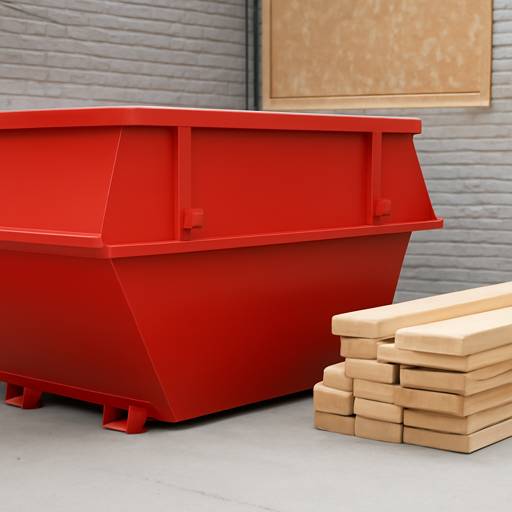
– Work involving heavy debris, where capacity is less important than weight control. For concrete and masonry, a 10 yard container reduces the chance of overweight fees and helps keep crews moving.
– Busy urban streets where a right-of-way permit may be needed if the container sits on the street. A smaller footprint often simplifies approvals and reduces the need for additional traffic control measures.
Rules differ by city and can change, so check requirements in advance. In many Missouri municipalities, any container placed on a public street, sidewalk, or alley requires a permit. St. Louis and Kansas City often expect applicants to provide placement details and may require safety cones or reflective barricades. Springfield and Columbia can have similar expectations, and permit lead times can vary. When possible, placing a 10 yard in a private driveway can help bypass permitting altogether, as long as HOA rules allow it and the surface is suitable to support the weight.
Real-world example: a homeowner near Brookside in Kansas City planned a bathroom remodel plus a light garage cleanout. A 10 yd dumpster fit on the short driveway without blocking the sidewalk and handled cast iron piping, tile, drywall, and mixed household junk. Because the load contained heavy bathroom debris, choosing 10 yards kept the weight under the cap and avoided surprise overage fees. Similar results play out across St. Louis bungalows, Springfield ranches, and Columbia student rentals, where compact containers streamline work while keeping curbs clear and neighbors happy.
Local haulers like Heartland Recycling Services also help match container sizes to debris type and advise on city-specific regulations. Their familiarity with municipal rules around right-of-way, construction debris, and recycling options can save time and prevent costly missteps—all while getting a container on-site exactly when crews need it.
Pricing, Delivery, and Smart Loading Tips for a 10 Yard Dumpster
Pricing for a 10 yd dumpster in Missouri is typically based on several factors: base rental period (often measured in days), haul distance, included tonnage (weight cap), debris type, and any local disposal or environmental fees. Transparent providers will list what’s included—delivery, pickup, and disposal within the weight limit—and explain potential extras, such as per-ton overages, extended rental days, or charges for restricted items. Because the 10 yard size is popular, it often delivers the best overall value for small-to-midsize projects, especially when you’re managing heavy waste or working in a tight space.
To prepare for delivery, clear a level area with at least a few feet of buffer space around the drop spot. Driveways are ideal; ensure vehicles are moved and overhead lines or tree branches won’t interfere. If you must use a public street, verify permit status and schedule delivery to minimize impact on traffic. In winter, shovel and salt the area first; in wet months, avoid soft ground that could rut or fail under the weight of the truck and loaded container.
Loading tips that reduce hassle and cost:
– Distribute weight evenly from front to back and side to side. Start with flat, heavy items (drywall, tile, wood) on the bottom and center heavy debris to stabilize the load.
– Break down bulky items. Disassemble furniture, cut branches, and nest boxes. This increases usable volume and prevents waste from exceeding the fill line.
– Keep prohibited materials out. Hazardous liquids, oils, certain electronics, and tires often require special handling. Mixing them into the load can halt pickup or trigger contamination fees.
– Cover the container during rain if possible, especially with drywall, plaster, or upholstered items that soak up water and increase weight quickly. Tarping also helps control litter and keep neighbors comfortable.
Case in point: a small roofing project in St. Louis County planned for two days of tear-off. By choosing a 10 yard container and scheduling drop-off early on day one, the crew kept the driveway clear, avoided blocking the sidewalk, and stayed comfortably within the weight cap by loading shingles evenly and keeping felt and wood separated as advised. Pickup on day two allowed for a quick site clean and on-time inspection.
Finally, consider sustainability. Many Missouri markets offer diversion for clean materials such as concrete, metal, and yard waste. Ask your hauler if separate loads qualify for discounted rates or recycling credits. With the right planning, a 10 yard roll-off not only contains the mess—it also supports safe, legal, and environmentally responsible disposal throughout St. Louis, Kansas City, Springfield, Columbia, Jefferson City, and beyond.

Sapporo neuroscientist turned Cape Town surf journalist. Ayaka explains brain-computer interfaces, Great-White shark conservation, and minimalist journaling systems. She stitches indigo-dyed wetsuit patches and tests note-taking apps between swells.
